
Connecticut winters are hard on homes. Ice, wind, freeze-thaw cycles, and heavy snow put real stress on your roof, siding, and windows — and the worst time to discover a problem is in the middle of a storm. A little preparation in the fall goes a long way toward keeping your home dry, warm, and protected through the season.
Start with a roof inspection
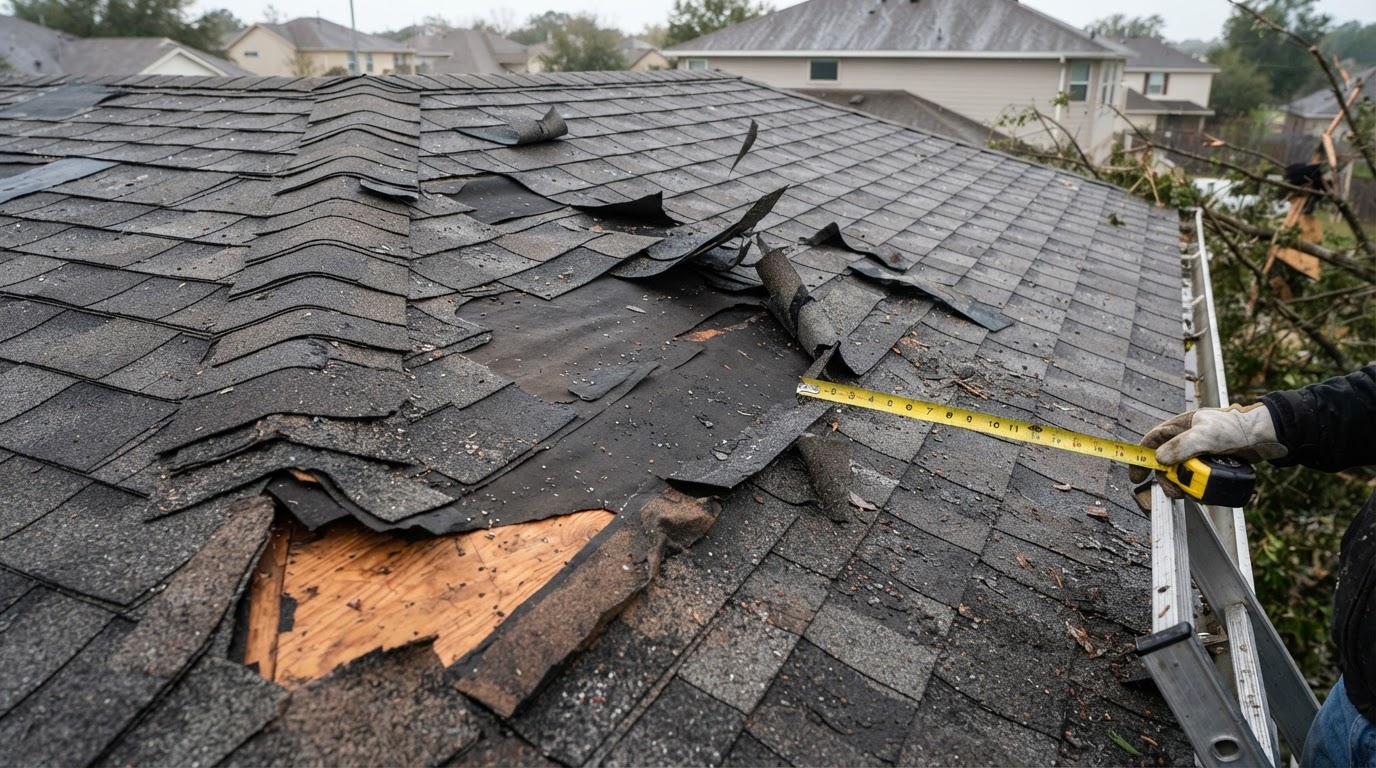
Before the cold sets in, schedule a roof inspection. A professional walk of the roof catches loose flashing, missing or cracked shingles, and worn seals around penetrations — the small failures that turn into leaks under snow and ice. It's far easier to fix a worn pipe boot in October than to chase an ice-dam leak in January.
Check your roof for winter risks
Look for these common winter trouble spots during or after your inspection:
- Missing, cracked, or curling shingles that wind and ice will exploit.
- Worn or lifted flashing around chimneys, skylights, and valleys.
- Clogged or slow gutters that can back up and feed ice dams.
- Inadequate attic ventilation, which drives ice-dam formation.
- Soft decking that signals hidden moisture damage.
If the inspection turns up widespread wear, a residential roofing repair or replacement before winter is almost always cheaper than emergency work mid-season.
Inspect your siding before the cold
Siding is your home's first defense against wind-driven rain and snow. Cracks, gaps, and loose panels let moisture behind the siding, where it can freeze, expand, and cause real damage over the winter. Walk your home's exterior and check for:
- Cracked, warped, or loose siding panels.
- Gaps around windows, doors, and corners where wind-driven rain can enter.
- Faded, chalky, or brittle siding that's nearing the end of its life.
- Signs of moisture or mildew on the siding surface.
Addressing siding issues now — whether a repair or a full siding installation — keeps cold air and moisture out of your walls all winter.
Seal up drafty windows
Windows are a common source of winter drafts and heat loss. If you feel cold air near your frames, see condensation between panes, or have windows that are hard to open and close, it's worth addressing before the heating bills pile up. New window installation improves comfort and can noticeably reduce winter energy costs.
Don't wait for the first storm
Contractors get busy once the weather turns. Scheduling your inspections and repairs in the fall means you're not competing with emergency storm calls in January — and you head off problems before they become expensive, mid-winter repairs. A short walk-through now protects your home for the whole season.
Want a fall readiness check? We'll inspect your roof, siding, and windows and flag anything that should be fixed before winter.
Get your free estimate
Tell us about your project and we'll reach out to schedule a free, no-obligation inspection.